Designing a breathtaking and useful outdoor living space involves more than planting a few flowers or laying down a patio. It demands thoughtful planning and incorporating a number of crucial parts that change your backyard into an enhancement of your home—perfect for relaxing, hosting, and enjoying nature. In this resource, we discuss the key parts of outdoor living landscape design, helping homeowners craft appealing, practical, and appealing exterior living areas.
What Are the Essential Functional Areas in Outdoor Living Landscape Design?
A thriving outdoor living space requires well-defined functional zones that support various activities while promoting flow and comfort. Including the correct blend of spaces enables socializing, dining, cooking, and relaxation year-round.
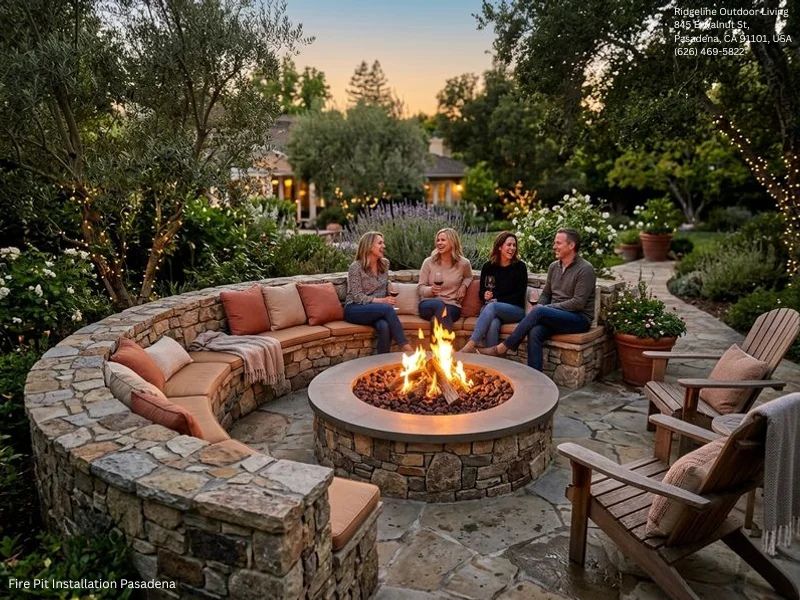
- Patio & Decking: Central to many outdoor living designs, patios and decking supply stable, flat surfaces built using resilient materials like natural stone, brick, or composite decking. They serve as assembly points for seating and dining areas. Seating Areas: Comfortable seating options such as outdoor furniture sets, benches, and seating cushions encourage conversation and relaxation. Arranging seating around fire pits or outdoor fireplaces improves ambiance. Dining Area: Intended for outdoor dining, dining areas usually feature tables with weather-resistant chairs located beside the outdoor kitchen or barbecue grill to simplify serving and tidying. Outdoor Kitchen & Bar: These provide convenience by integrating cooking appliances, countertops, sinks, and storage. An outdoor bar adds a gathering spot, great for welcoming friends. Fire Features: Fire pits, outdoor fireplaces, and heaters prolong outdoor use into cooler evenings and seasons while creating a warm centerpiece. Storage: Effective storage choices, including firewood storage and dedicated cabinets or sheds, aid in keeping things organized and accessible.
Thoughtful combination of these zones leads to a cohesive and highly usable outdoor living environment.
How Do Shade and Shelter Enhance Outdoor Living Spaces?
Shade and shelter play a crucial role in comfort, safeguarding outdoor spaces from excessive sun, rain, and wind. Well-planned shade and shelter additions increase practicality and beauty.
- Pergolas & Trellises: These architectural elements offer partial shade and bring vertical appeal. They can carry climbing plants, developing natural green coverings, adding privacy and texture. Shade Structures & Umbrellas: Versatile and portable, umbrellas or fixed shade sails fit nicely for different zones, delivering protection during peak sunlight hours. Ceiling Fans & Outdoor Heaters: Installed in covered patios or pergolas, ceiling fans increase airflow on warm days, while outdoor heaters maintain spaces warm during cooler weather. Privacy Screens & Fences: These items hide unsightly views and noise, creating intimate spaces. Options include wooden fences, lattice screens, or dense shrubbery.
Combining these components ensures your outdoor living area stays welcoming and functional no matter the weather conditions.
Why Is Lighting Important in Outdoor Landscape Design?
Lighting serves many purposes by improving safety, highlighting design features, and creating atmosphere after sundown. Thoughtfully designed lighting changes outdoor spaces from day to night.
- Landscape Lighting: Strategically placed lights illuminate pathways, garden beds, trees, stonework, and retaining walls to reduce accidents and display beauty. Ambient Lighting: Soft, warm illumination created by string lights, lanterns, sconces, or solar-powered fixtures foster a cozy and inviting mood. Solar Lights: An energy-efficient choice, solar lights are ideal along pathways and borders, minimizing minimal wiring and maintenance. Additional Sensory Elements: Outdoor speakers and wind chimes boost the multisensory experience, lifting relaxation and entertainment outdoors.
Proper lighting blends functionality with aesthetic delight, extending outdoor space usability well into the evening.
What Role Does Plant Selection Play in Outdoor Living Design?
Plants are the heart of outdoor living landscapes, offering structure, color, texture, privacy, and environmental benefits. Smart plant selection complements hardscaping and introduces natural charm.
- Trees & Shrubs: Establish tiered layers, supply shade, lessen noise, and screen unwanted views. Choosing suitable species enhances seasonal interest. Flowering Plants & Ground Cover: Provide vibrant color, blur edges, and assist in managing soil erosion while improving biodiversity. Planter Boxes & Raised Beds: Arrange garden space systematically and boost accessibility for gardening enthusiasts. Mulch & Irrigation: Mulching sustains soil moisture and prevents weed growth, while irrigation systems provide plants get consistent hydration for healthy growth. Sustainability Features: Compost bins allow organic waste recycling, enhancing soil fertility, while rainwater collection systems reduce use of water and cut utility bills.
A cohesive plant palette matched to your climate and lifestyle creates your outdoor living area both appealing and eco-friendly.
How Do Water Features Impact Outdoor Living Areas?
Water features bring tranquility and sensory appeal to outdoor living spaces, contributing relaxing sounds and visual interest.
- Fountains & Ponds: Produce soothing movement and sound, inviting birds and other wildlife that enliven the garden. Bird Feeders & Garden Art: These elements offer life and personality, promoting interaction with nature. Sculptures: Artistic focal points add uniqueness and accent surrounding landscaping, rendering outdoor space truly one-of-a-kind.
Thoughtfully placed water features boost the ambiance and raise the outdoor experience.
What Types of Pathways and Hardscaping Are Recommended?
Pathways and hardscaping establish movement and structure in outdoor living design, connecting zones while adding beauty and function.
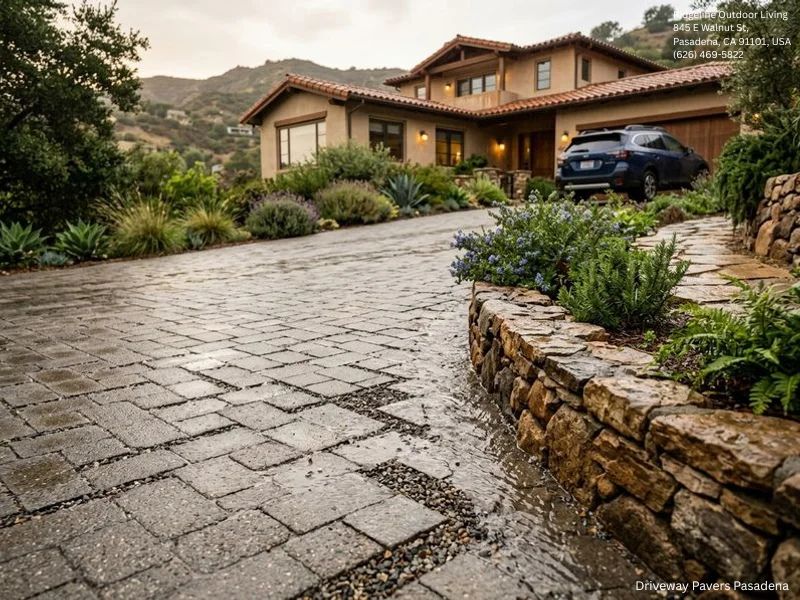
- Stepping Stones & Pathways: Natural stone, brick, or permeable pavers channel foot traffic, help prevent soil compaction, and build inviting routes through garden areas. Stonework & Retaining Walls: Durable elements that address elevation changes, prevent erosion, and deliver seating or planting opportunities. Decking: Expands usable living space by constructing raised platforms for dining, seating, or lounging, often combining textures for aesthetic appeal.
Incorporating quality materials promotes longevity and seamless fusion between natural and man-made elements.
How Can Comfort and Convenience Features Be Incorporated?
Comfort-oriented elements turn outdoor spaces from only useful into spaces ideal for daily enjoyment.
- Outdoor Furniture & Rugs: Durable seating, chairs, and carpets offer design and a soft feel, ensuring spaces feel comfortable and inviting. Seating Cushions & Hammocks: Provide additional comfort and relaxation choices ideal for napping or reading outdoors. Outdoor Speakers & Ceiling Fans: Music systems and fans upgrade functionality and ambiance. Storage Solutions: Cabinets, boxes, and firewood storage keep essentials organized and protect items from the elements
These additions keep your outdoor space convenient and inviting like inside rooms.
How Can Sustainable Practices Be Integrated Into Outdoor Living Landscape Design?
Incorporating eco-friendly practices in outdoor spaces supports nature and lowers maintenance expenses.
- Rainwater Collection: Harvesting rainwater supplies an eco-conscious watering option that decreases public water reliance. Compost Bins: Recycling organic waste into compost improves soil health naturally and reduces landfill contribution. Native and Drought-Tolerant Plants: Such plants need little water and attention, aiding local ecology and preserving resources. Solar-Powered Lighting: Harness sunlight to illuminate paths and features cost-effectively and sustainably. Efficient Irrigation Systems: Targeted drip irrigation combined with intelligent controllers enhances water conservation and timing.
Implementing these approaches results in a hardscaping tips sustainable and durable outdoor space for your comfort and assurance.
Latest Trends in Outdoor Living Design
Landscape design for outdoor living keeps progressing, shaped by usability, beauty, and green preferences.
- Ambient and Smart Lighting: Advances allow customizable atmospheres with energy efficiency and remote control capabilities Adaptable and Modular Furniture: Compact pieces suitable to different functions and setups are gaining popularity. Eco-Friendly Materials: Repurposed composites, eco-conscious woods, and natural stone contribute to cutting ecological footprint. Smart Irrigation Systems: Automated watering solutions help save water while ensuring thriving landscapes. Outdoor Fireplaces and Heaters: These elements enhance the outdoor season’s length, delivering warmth and ambiance.
Keeping track of these trends supports homeowners build current and enduring outdoor living settings.
Frequently Asked Questions (FAQ)
Q1: How much space do I need for a efficient outdoor living area?
A inviting outdoor living space commonly starts at around 200-300 square feet but can be tailored according to the yard size and personal needs to fit patios, dining, and seating zones effectively.
Q2: What materials are best for patios and decking?
Natural stone, composite decking, and brick are preferred options because they provide durability, weather resistance, and timeless aesthetics suitable for various styles of outdoor landscape design.
Q3: How can I maintain privacy in my outdoor living space?
Reliable privacy solutions include planting tall shrubs or trees, erecting fences or privacy screens, and utilizing pergolas with drapery or trellises enhanced by climbing plants to build secluded and intimate areas.
Q4: Are outdoor kitchens expensive to install?
Costs depend on complexity, appliances, and materials used. Basic outdoor kitchens can start at a few thousand dollars, while high-end, fully equipped kitchens may reach tens of thousands, representing a valuable investment in lifestyle enhancement.
Q5: How do I choose plants suitable for outdoor living spaces?
Think sustainable landscaping Pasadena CA about your local climate, soil conditions, and level of maintenance desired. Native and drought-tolerant plants usually thrive with less care and water, providing long-lasting beauty and sustainability advantages.
Q6: What lighting options are best for safety and ambiance?
A combination of pathway lights, spotlighting for steps or stonework, and ambient fixtures such as string lights or lanterns provides comprehensive coverage to make outdoor spaces safe and inviting after dark.
Ridgeline Outdoor Living
Ridgeline Outdoor Living is a Pasadena-based landscape design-build company serving Greater Los Angeles with custom outdoor living, hardscape, and drought-tolerant landscape solutions. The company specializes in patios, retaining walls, outdoor kitchens, drainage, hillside projects, and turnkey landscape construction, handling projects from design and permitting through final build and warranty.
Address:
845 E Walnut St,
Pasadena,
CA
91101,
United States
Phone: (626) 469-5822
Map: View on Google Maps
Business Hours:
- Monday – Saturday: 8:00 AM – 6:00 PM
- Sunday: Closed
Follow Us: