Changing outdoor settings into beautiful, useful settings commences with expert landscape design consultation and planning. Whether you’re homeowner wanting to improve property appeal or a developer building green spaces, knowing the essentials is vital.
What Is Landscape Design Consultation and Planning?
Landscape design consultation and planning include a comprehensive process where professionals assess your property and goals to formulate a blueprint for the optimal outdoor environment. This includes site analysis, landscape surveys, and project management from start to finish. A precise landscape blueprint aligns aesthetics with function, making certain every element—from planting schemes to hardscape design—is meticulously integrated.
Participating in landscape architecture ensures an expert approach, balancing natural ecology with human needs. Consultation services typically offer evaluation of existing conditions, discussion of your vision, and creation of an practical plan suited to your specific site.
The Importance of Site Analysis in Landscape Planning
Site analysis is the basis of any fruitful landscape project. It includes assessing soil health through soil testing, evaluating property grading and landscape grading, and locating drainage solutions to avoid water issues. Adequate erosion control measures safeguard your investment and maintain the landscape's longevity.
Recognizing the natural features and limitations of your site allows for educated decisions about plant placement, drainage, and overall landscape layout. Accurate site analysis maximizes garden aesthetics and makes certain sustainable landscaping practices are embedded from the outset.
Planning a Garden Design and Planting Plan
A well-crafted planting plan integrates thoughtful plant selection with garden zoning, seasonal planting, and turf management to build lively, thriving green spaces. Incorporating native plants enhances sustainability by sustaining local ecosystems and lowering maintenance needs.
Xeriscaping techniques may be integrated to save water, especially in drought-prone areas, in accordance with eco-friendly design principles. The landscape layout should harmonize areas dedicated to different functions while maintaining flow and accessibility throughout your property.
Selecting the Appropriate Plants for Your Landscape
Hardscape Design Elements to Consider
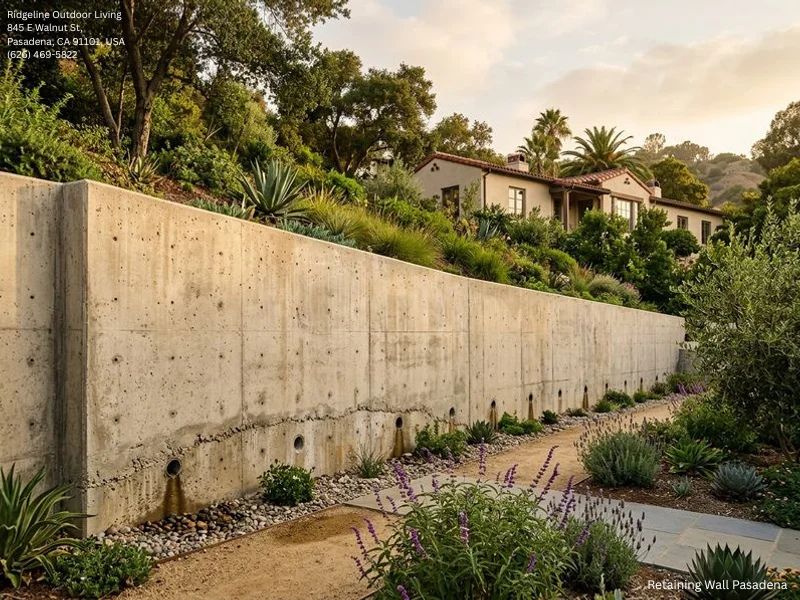
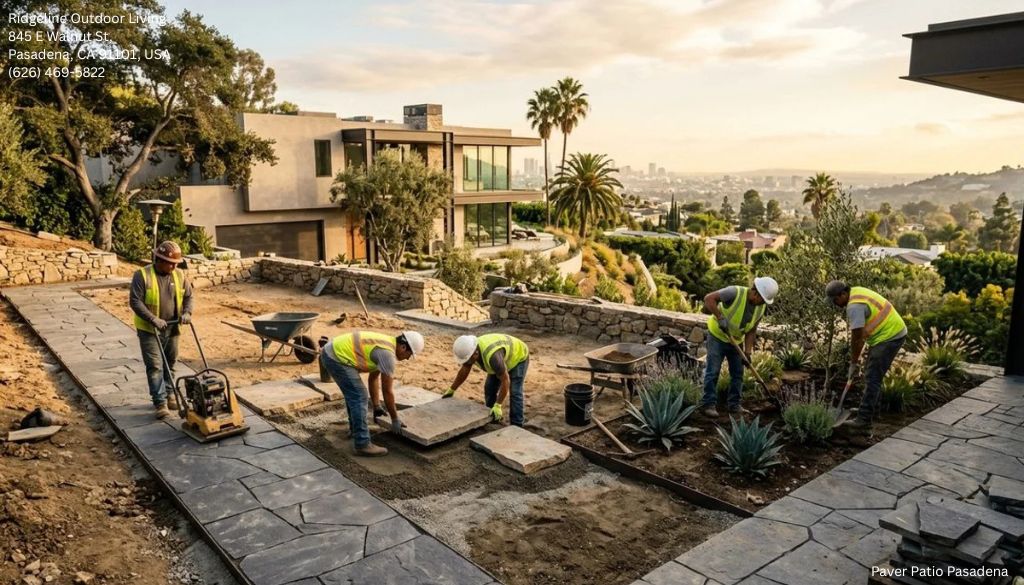
The addition of hardscape design elements such as patios, retaining walls, garden pathways, and outdoor structures like pergolas improves outdoor living spaces. Opting for appropriate landscape materials provides durability and visual harmony with the natural environment.
Patio design prioritizes creating comfortable, functional areas for gatherings, while retaining walls can manage elevation changes and prevent erosion. Careful placement of garden pathways boosts movement and marks garden zones, offering both convenience and attractiveness.
Irrigation and Drainage Planning for a Healthy Landscape
Smart irrigation management facilitates thriving plant flourishing and conserving water. Modern smart irrigation systems adapt watering schedules in response to weather conditions, supporting maintain turf and planting zones effectively. Proper drainage solutions stop water pooling and erosion, shielding foundations and landscape features.
Incorporating water features can also serve as both aesthetic focal points and natural irrigation helpers when planned carefully within the overall landscape.
Incorporating Outdoor Lighting and Furniture
Outdoor lighting design enhances the beauty and functionality of your landscape after dark. From pathway illumination to accent lighting on trees and architectural features, quality lighting prolongs usability and safety. Pairing lighting with strategically placed outdoor furniture builds inviting outdoor living spaces perfect for relaxation and entertainment.
Explore energy-efficient lighting technologies to enhance sustainable landscaping efforts.
Sustainable Landscaping and Eco-Friendly Solutions
Sustainable landscaping incorporates composting strategies to enhance soil naturally, xeriscaping to cut down water use, and windbreak planning to protect plants and decrease heating costs. Creating green spaces not only beautifies properties but also aids urban landscaping goals and environmental health.
Landscape renovation projects can renew neglected areas with eco-friendly designs that reduce maintenance and increase resilience over time.
Navigating Landscape Permits and Regulations
Before undertaking major landscape construction, comprehending local landscape permits and regulations secures compliance and smooth hardscaping tips project progress. Landscape contractors and architects support dealing with these legal considerations within landscape project management, avoiding costly delays and redesigns.
Estimating Your Landscape Design Project
Effective landscape budgeting requires assessing charges for materials, labor, and ongoing best landscapers Los Angeles maintenance. Planning ahead for landscape renovation versus new installation impacts budget allocation. Consulting with experienced landscape contractors early ensures accurate cost projections and control expenses while attaining design goals.
Cooperating With Landscape Contractors and Professionals
Collaborating with skilled landscape contractors and architects strengthens your project's quality and efficiency. The consultation process commonly involves phases such as initial survey, design proposal, and final visualization aided by landscape software tools. These technologies increase accuracy and clarity, helping you to see your landscape before construction begins.
Typical Challenges in Landscape Design Consultation and How to Overcome Them
Obstacles like managing landscape pruning, ongoing garden maintenance, remediating landscape grading issues, and controlling erosion call for proactive planning. Regular assessments and adaptive solutions maintain your landscape remains healthy and visually appealing year-round.
Concluding Your Landscape Blueprint and Visualization
The final landscape blueprint consolidates all design elements into a clear plan for execution. Landscape visualization techniques, including 3D renderings and digital models from the landscape survey data, allow better understanding and decision-making. This step indicates the transition from concept to reality, empowering confident project implementation.
FAQs About Landscape Design Consultation and Planning
- What can I anticipate during a landscape design consultation? Professional assessment of your property, discussion of your goals, and creation of a bespoke plan. How long does the landscape planning process typically take? Based on project scope, it can span a couple of weeks to multiple months. Is it necessary to have soil testing before planning my garden? Yes, soil testing aids in assessing fertility and needs, informing plant selection. How to pick the best plants for my climate and soil? By looking at native species and consulting with experts on local conditions. What typical mistakes to avoid in landscape design? Neglecting site analysis, inadequate drainage planning, and picking inappropriate plants. What are ways to make my landscape more sustainable and eco-friendly? Use xeriscaping, composting, rainwater harvesting, and utilize native plants. Under what circumstances do I require a permit for landscape construction? For structural elements like retaining walls, large decks, or significant grading work, permits are usually required. How expensive is a landscape consultation usually cost? Costs depend; initial consultations might be free or nominal, while detailed plans cost more related to complexity. Can landscape planning be DIY or must I employ a specialist? DIY is possible for small projects, but professionals provide expertise and can save time and money long-term. What does a comprehensive planting plan include in a comprehensive planting plan? Plant types, placement, seasonal care instructions, and maintenance schedules.
Ridgeline Outdoor Living
Ridgeline Outdoor Living is a Pasadena-based landscape design-build company serving Greater Los Angeles with custom outdoor living, hardscape, and drought-tolerant landscape solutions. The company specializes in patios, retaining walls, outdoor kitchens, drainage, hillside projects, and turnkey landscape construction, handling projects from design and permitting through final build and warranty.
Address:
845 E Walnut St,
Pasadena,
CA
91101,
United States
Phone: (626) 469-5822
Map: View on Google Maps
Business Hours:
- Monday – Saturday: 8:00 AM – 6:00 PM
- Sunday: Closed
Follow Us: