Sustainable landscape design solutions are revolutionizing how we design and oversee outdoor spaces by focusing on environmental health, resource efficiency, and biodiversity enhancement. Whether you’re a homeowner, landscape professional, or sustainability advocate, knowing these approaches is vital for promoting climatic adaptability and environmental balance in your landscape projects.
1. Defining Sustainable Landscape Design?
Sustainable landscape design includes creating and maintaining outdoor environments that focus on eco-friendly materials, low-impact development, and habitat variety. This strategy promotes natural processes like soil renewal, efficient water use, and natural pest control, providing long-term ecological balance. By targeting climate resilience and lowering carbon footprints, sustainable landscapes curtail negative effects such as soil erosion, chemical pollution, and wasteful water usage.
Employing native plants, rain gardens, and permeable pavements are typical methods to support sustainable drainage and biofiltration. These components function jointly to support soil health and bolster thriving urban forestry initiatives, all while contributing to a landscape that requires less maintenance and fewer resources.
2. What Role Do Native Plants Support Sustainable Landscaping?
Native plants and native grasses significantly impact sustainable landscaping by growing naturally within local climates and soil conditions. Their resistance to drought and resistance reduce the need for supplemental watering and chemical inputs like fertilizers and pesticides. Additionally, native species encourage habitat restoration by aiding local wildlife and boosting biodiversity.
Many native plants serve as nitrogen-fixing plants, boosting the soil organically and stimulating healthy soil microbiome activity. This causes more strong plant growth and natural pest control, rendering them a cornerstone of any ecological balance-focused garden or landscape project.
3. Why Use Rain Gardens and Rainwater Harvesting in Sustainable Landscapes?
Rainwater gardens and stormwater harvesting methods are crucial aspects of sustainable drainage and stormwater treatment. A rain garden retains runoff, cleanses pollutants through biofiltration, and lowers erosion by impeding water flow. This aids in protecting local waterways and maintains water.
Rainwater collection stores precipitation for future use, which can be essential for irrigation during arid times. This practice decreases potable water consumption and supports water conservation efforts, especially crucial in areas experiencing drought or water scarcity.
4. How Does Xeriscaping Help Reach Sustainability in Landscape Design?
Xeriscaping advocates water-wise plant selections and minimal upkeep design principles to reduce water use. Utilizing drought tolerance and mulching, along with drip irrigation systems, xeriscaping significantly reduces irrigation needs. By combining water-wise plants and sustainable mulch, this method not only saves water but also improves soil health and lowers the carbon footprint associated with landscape maintenance.
5. What Role Do Permeable Pavements and Sustainable Hardscaping Play?
Water-permeable pavements contribute to sustainable landscapes by facilitating water to absorb into the ground instead of creating runoff. This reduces erosion and helps groundwater recharge, aligning with low-impact development practices. Sustainable hardscaping uses eco-friendly materials and designs that blend functionality with environmental preservation, assisting control stormwater and prevent habitat degradation.
6. How Can Composting, Mulching, and Organic Gardening Enhance Soil Health and Sustainability?
Composting adds valuable nutrients and organic matter back into the soil, high end hardscaping services enhancing soil structure and aiding beneficial microbes. Mulching preserves soil moisture, controls weeds, and regulates soil temperature, decreasing the need for frequent watering.
Organic gardening avoids synthetic chemicals, fostering natural pest control and encouraging a healthier soil ecosystem. Together, these practices are crucial for continued soil health and overall landscape sustainability.
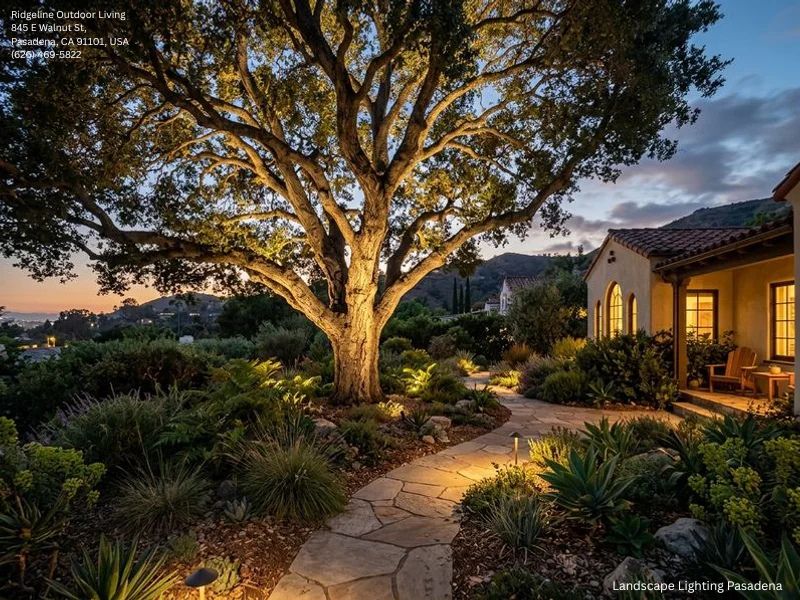
7. What Are Living Roofs, Living Walls, and Vertical Plantings, and How Do They Promote Sustainable Landscapes?
Eco roofs, vertical walls, and vertical gardens maximize vegetated surfaces within urban environments. These features boost air quality by removing pollutants, enhance energy efficiency through insulation, and reduce urban heat islands. Vertical gardens are particularly effective for habitat enhancement and microclimate creation in constrained spaces, supporting urban forestry objectives and biodiversity improvement.
8. How Does Drip Irrigation Aid Sustainable Water Use?
Drip irrigation is an efficient watering method that delivers water directly to plant roots, lowering evaporation and runoff. This system supports climate resilience by conserving water resources, making it perfect for drought-prone hardscaping tips regions. The precision of drip irrigation corresponds to the goals of low-maintenance design and water conservation in sustainable landscapes.
9. What Is Edible Landscaping and Its Role in Sustainability?
Edible landscaping combines food-producing plants into ornamental garden designs, combining aesthetics with functionality. This approach encourages local food production, cutting food miles and associated carbon footprints. Companion planting within edible landscapes supports habitat diversity and sustains beneficial insects, aligning with organic gardening and climate-adaptive landscaping principles.
10. How Do Wildlife Corridors and Pollinator Gardens Enhance Biodiversity in Sustainable Landscapes?
Wildlife corridors create safe pathways between fragmented habitats, supporting species movement and genetic exchange required for healthy ecosystems. Pollinator gardens lure bees, butterflies, and other pollinators crucial to crop pollination and ecological balance.
Both features aid habitat restoration and enhance biodiversity, key indicators of a sustainable and thriving landscape environment.
11. What Are Some Sustainable Lawn Care Practices?
Green lawn care emphasizes drought tolerance and chemical-free gardening practices to decrease water and pesticide use. Selecting water-wise grasses or alternatives and including nitrogen-fixing plants organically enhances soil fertility. Methods such as cutting grass higher retain shade and soil moisture, additionally lowering maintenance demands and environmental impact.
12. How Can Recycled Materials and Landscape Reuse Benefit Sustainable Landscape Projects?
Using recycled materials in landscape construction cuts the carbon footprint by decreasing reliance on new resources. Landscape reuse reclaims existing structures and materials, decreasing waste and conserving energy associated with manufacturing. These strategies are key to sustainable hardscaping and foster low-impact development efforts.
13. How Do Solar Lighting and Energy Efficiency Combine with Sustainable Landscape Design?
Solar lighting harnesses renewable energy to brighten outdoor spaces without depending on grid electricity. This decreases energy consumption and greenhouse gas emissions. Merging solar lighting with energy-efficient landscape design principles enhances climate resilience and demonstrates eco-friendly materials and technology integration.
Additional Sustainable Landscape Strategies
Firewise Landscaping for Climate Resilience
Firewise landscaping includes drought-tolerant plants and erosion control techniques to reduce wildfire risks. Increasing habitat diversity within fire-adapted ecosystems promotes resilience against climate-induced stressors.
Greywater Reuse in Landscape Irrigation
Greywater reuse entails recycling household wastewater for irrigation, lowering freshwater demand. Paired with water-wise plants and sustainable drainage systems, it enhances water conservation efforts in sustainable landscapes.
Landscape Certification Programs and Their Importance
Certification programs set sustainability standards, ensuring landscapes meet ecological balance and resource-efficiency standards. Accredited experts assist implementation, fostering trust and advancing innovation in sustainable design.
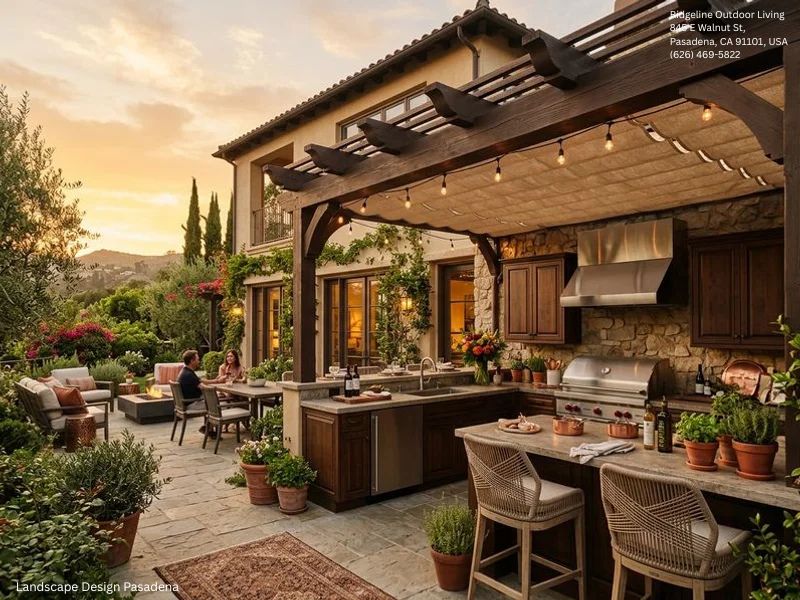
Microclimate Creation and Its Benefits
Establishing microclimates through thoughtful tree canopy placement and urban forestry enhances temperature regulation and wind protection. This supports plant health and energy efficiency while contributing to climate resilience.
Key Questions
Q1: What Are the Key Principles of Sustainable Landscape Design?
Essential rules cover conserving water and energy, using native and drought-tolerant plants, minimizing chemical inputs, protecting soil health, managing stormwater effectively, and designing for low maintenance.
Q2: How Does Sustainable Landscaping Save Money Long-Term?
By reducing water and energy consumption, lowering maintenance costs, and increasing landscape resilience, sustainable landscaping lowers expenses gradually while improving property value.
Q3: Can Sustainable Landscaping Improve Property Value?
Absolutely, environmentally friendly landscapes increase curb attraction, cut utility fees, and draw eco-aware buyers, enhancing property desirability and value.
Q4: What Sets Xeriscaping Apart from Traditional Landscaping?
Xeriscaping aims at reducing water use via drought-hardy plants and optimized irrigation, compared to traditional landscaping that usually calls for increased watering and maintenance.
Q5: Are There Funding or Incentives for Implementing Sustainable Landscaping?
Several local governments and utility providers supply rebates, financial aid, or tax incentives for establishing rain gardens, rainwater harvesting, and sustainable landscape installations. Check local programs for eligibility.
ConclusionUtilizing sustainable landscape design methods is essential for building outdoor spaces that combine beauty with environmental responsibility and strength. From native plants and rain gardens to permeable pavements and solar lighting, these strategies conserve resources, enhance biodiversity, and lessen environmental impact. By integrating these approaches, homeowners and professionals alike can develop healthier ecosystems, save on maintenance costs, and contribute positively to the planet’s future.
Start transforming your landscape today by applying these sustainable principles and join the growing movement toward greener, more resilient environments.
Ridgeline Outdoor Living
Ridgeline Outdoor Living is a Pasadena-based landscape design-build company serving Greater Los Angeles with custom outdoor living, hardscape, and drought-tolerant landscape solutions. The company specializes in patios, retaining walls, outdoor kitchens, drainage, hillside projects, and turnkey landscape construction, handling projects from design and permitting through final build and warranty.
Address:
845 E Walnut St,
Pasadena,
CA
91101,
United States
Phone: (626) 469-5822
Map: View on Google Maps
Business Hours:
- Monday – Saturday: 8:00 AM – 6:00 PM
- Sunday: Closed
Follow Us: